破解中文大魔王!3 個公式讓你秒懂「 了 」的正確用法

破解中文大魔王  3 個公式讓你秒懂「 了 」的正確用法

外籍學生最害怕的中文語法絕對是「了」。你還在憑直覺亂加嗎?這篇文章為你重新梳理「了」的底層邏輯。我們將複雜的規則拆解成三個簡單的公式。透過清晰的對比與情境範例,幫大腦安裝正確的文法路線。立刻閱讀這篇精華整理,徹底消滅語言盲點,展現最專業流暢的中文實力!

1. 動態助詞「了1」(V + 了):表示「動作完成」

Dòngtài zhùcí “le 1” (V + le): Biǎoshì “dòngzuò wánchéng”.
Dynamic Particle “le 1” (V + le): Indicates “completion of an action.”

他去了日本。
Tā qùle Rìběn.
He went to Japan.

我買了一本書。
Wǒ mǎile yì běn shū.
I bought a book.

我吃了一碗飯。
Wǒ chīle yì wǎn fàn.
I ate a bowl of rice.

2. 句末助詞「了2」(Sentence + 了):表示「情況變化」或「強調」

Jùmò zhùcí “le 2” (Sentence + le): Biǎoshì “qíngkuàng biànhuà”, “xīn qíngkuàng” huò “qiángdiào”.
Sentence-final Particle “le 2” (Sentence + le): Indicates a “change of state,” “new situation,” or “emphasis.”

下雨了。(原來沒下雨,現在下雨了)
Xià yǔ le. (Yuánlái méi xià yǔ, xiànzài xià yǔ le)
It’s raining. (It wasn’t raining before, but it is now.)

我懂了。(之前不懂,現在明白了)
Wǒ dǒng le. (Zhīqián bù dǒng, xiànzài míngbái le)
I understand now. (I didn’t understand before, but now I do.)

天黑了。(剛才有陽光,現在沒有了)
Tiān hēi le. (Gāngcái yǒu yángguāng, xiànzài méiyǒu le)
It’s getting dark. (There was sunlight just now, but now there isn’t.)

3. 雙「了」結構(V + 了 + O + 了):動作已完成且狀態改變

Shuāng “le” jiégòu (V + le + O + le): Biǎoshì dòngzuò yǐ wánchéng, érqiě zhuàngtài yǐ gǎibiàn.
Double “le” Structure (V + le + O + le): Indicates an action is completed and the state continues or has changed.

他喝了三瓶酒了。(動作完成且目前已經喝了三瓶)
Tā hēle sān píng jiǔ le. (Dòngzuò wánchéng qiě mùqián yǐjīng hēle sān píng)
He has drunk three bottles of beer. (Action completed and currently at three bottles.)

我吃了三碗牛肉麵了。
Wǒ chīle sān wǎn niúròumiàn le.
I have eaten three bowls of beef noodles.

他看了兩個小時的電視了。
Tā kànle liǎng gè xiǎoshí de diànshì le.
He has been watching TV for two hours.

注意:第二個「了」有「已經…了」的意思,需注意使用情況。

Zhùyì: Dì èr gè `le’yǒu `yǐjīng…Le’de yìsi, xū zhùyì shǐyòng qíngkuàng. 

Note: The second “了” has the meaning like “already…”, so you need to pay attention to its usage. Please take the following grammar practice as reference.


已經讀完「了」的用法了嗎?現在讓我們來實戰演練!請在下拉選單中選擇正確的語氣詞,測試你是否已經掌握了這座語言城市的交通規則。
(Have you finished reading? Let’s practice! Select the correct particle from the dropdown to test your knowledge.)

1. A: 你昨天去哪裡?
A: Nǐ zuótiān qù nǎlǐ?
A: Where did you go yesterday?

B: 我昨天去書局,買一本書,花三百塊。
B: Wǒ zuótiān qù shūjú, mǎi [ ] yì běn shū, huā [ ] sānbǎi kuài.
B: I went to the bookstore yesterday, bought [ ] a book, and spent [ ] three hundred dollars.

2. A: 爸爸在家嗎?
A: Bàba zài jiā ma?
A: Is Dad home?

B: 不在,他吃早餐就去上班
B: Búzài, tā chī [ ] zǎocān jiù qù shàngbān [ ].
B: No, he went to work right after he ate [ ] breakfast.

3. A: 你寫作業沒?
A: Nǐ xiě [ ] zuòyè méi?
A: Have you written [ ] the homework yet?

B: 我寫,剛剛寫完的。
B: Wǒ xiě [ ], gānggāng xiě wán de.
B: I wrote [ ] it, just finished.

4. A: 現在要去哪裡/兒?
A: Xiànzài yào qù nǎlǐ / nǎr?
A: Where are we going now?

B: 先不要出去,外面下雨
B: Xiān búyào chūqù, wàimiàn xià yǔ [ ].
B: Don’t go out yet, it’s raining [ ] outside.

5. A: 他以前不會說中文,現在會說
A: Tā yǐqián búhuì shuō Zhōngwén, xiànzài huì shuō [ ].
A: He couldn’t speak Chinese before, but now he can [ ].

B: 他說中文說得怎麼樣?
B: Tā shuō Zhōngwén shuō de zěnmeyàng?
B: How is his Chinese?

6. A: 她本來不想結婚,但昨天突然說想結婚
A: Tā běnlái bùxiǎng jiéhūn, dàn zuótiān tūrán shuō xiǎng jiéhūn [ ].
A: She originally didn’t want to get married, but yesterday she suddenly said she wanted to [ ].

B: 發生什麼事了嗎?
B: Fāshēng shénme shì le ma?
B: Did something happen?

7. A: 你現在知道答案了嗎?
A: Nǐ xiànzài zhīdào dá’àn le ma?
A: Do you know the answer now?

B: 知道,謝謝你告訴我。
B: Zhīdào [ ], xièxie nǐ gàosù wǒ.
B: I know [ ] now, thank you for telling me.

8. A: 他看三個小時的電視,還不想休息。
A: Tā kàn [ ] sān gè xiǎoshí de diànshì [ ], hái bùxiǎng xiūxi.
A: He has watched [ ] TV for three hours [ ], and still doesn’t want to rest.

B: 等一下媽媽看到一定會生氣。
B: Děng yíxià māma kàndào yídìng huì shēngqì.
B: Mom will definitely be angry when she sees it later.

9. A: 你在台灣住多久了?
A: Nǐ zài Táiwān zhù duōjiǔ le?
A: How long have you lived in Taiwan?

B: 我在台灣住兩年,中文進步很多。
B: Wǒ zài Táiwān zhù [ ] liǎng nián [ ], Zhōngwén jìnbù hěnduō.
B: I have lived in Taiwan for [ ] two years [ ], my Chinese has improved a lot.

10. A: 你吃飯嗎?
A: Nǐ chīfàn [ ] ma?
A: Have you eaten?

B: 吃,我剛剛吃飽
B: Chī [ ], wǒ gānggāng chībǎo [ ].
B: I ate [ ], I just got full [ ].

語言習慣的重建需要時間。請透過正確的架構練習來建立大腦的新街道。在 Whitney Mandarin Studio,我們不只教你單字,更帶你打造一座完整的「中文城市」。

Have grammar corrections ever made you doubt yourself? Share your most confusing sentences in the comments. I will redesign your routes. Let’s fix your linguistic blueprint together.


Contact Us

《 五個講中文更像母語人士的秘訣 !》

5 個讓中文聽起來卡卡的「語法違章建築」

學習中文就像規劃一座城市。基礎打好了,溝通動線才會順暢。我們常把英文的「建築法規」硬套在中文上,導致語境出現違章建築。今天為你盤點5個常見的語法盲點。拆除這些障礙,你的中文就能四通八達!

1. 「請」過頭了:聽起來像餐廳服務生

尷尬盲點:英語人士習慣每句話都加 “Please”,如「請給我那個」、「請告訴我」。

考官診斷:在中文裡,過多的「請」會拉開距離感,顯得生硬或客氣得像服務生。

城市設計師筆記
對熟人:直接說動詞(給我、幫我)。
對同事:用「可以…嗎?」或「麻煩你…」。

Whitney 碎碎念: 「請」在中文有「請求、邀請」的力量感,別把它當成句首的發助詞。

2. 主詞重複:別再「你我他」個不停

尷尬盲點: 英文句子必須有主詞(I, You, It),但中文是「主題顯著」語言,主詞常被省略。

考官診斷:「我昨天去上班,我看到我老闆,他跟我說他很高興。」這聽起來像故障的機器人。

城市設計師筆記
零代詞(Zero Anaphora)」策略。一旦上下文明確,就大膽把「你、我、他」刪掉。

道地說法: 「昨天去上班,看到老闆,他說他很高興。」(更簡潔、更有節奏感)。

3. 萬能的「和」:請停止把它當成 “And”

尷尬盲點:學生想連接兩個句子時常用「和」,例如:「我去了商店,和我買了蘋果。」

考官診斷:「和」主要連接「名詞」,不能連接「句子」。

城市設計師筆記
你可以直接使用逗號連接。使用「然後」、「而且」或是「接著」。

Whitney 碎碎念: 如果你不知道要放什麼連接詞,通常「什麼都不放」反而比較道地。

4. 「 你好嗎? 」:最熟悉的陌生人問候語

尷尬盲點:每個教科書第一課都教 “How are you? = 你好嗎?”。

考官診斷:現實生活中,除非是很久不見,否則母語人士幾乎不說「你好嗎?」,聽起來很像在演那種 90 年代的肥皂劇。

城市設計師筆記
請改用
「最近怎麼樣?」
「在忙什麼?」
「吃飽了沒?」(文化特有的問候)。

5. 「 是的 」:這不是真正的肯定句

尷尬盲點:英文問句通常用 “Yes/No” 回答。學生被問到「你去過台灣嗎?」常回答「是的」。

考官診斷:中文的回答通常是「重複動詞」。說「是的」會讓人覺得你還在腦中做英翻中。

城市設計師筆記問:「你去過嗎?」答:「去過。」
問:「你喜歡嗎?」答:「喜歡。」

Whitney 專業分析: 重複動詞展現了你對語法的掌握度,比一個萬用的「是的」更能贏得母語人士的好感。

語言習慣的重建需要時間。請透過正確的架構練習來建立大腦的新街道。在 Whitney Mandarin Studio,我們不只教你單字,更帶你打造一座完整的「中文城市」。

你曾因為語法錯誤被糾正到自我懷疑嗎?歡迎留言分享你最常搞混的句子。我來為你重新規劃路線。請點擊下方按鈕,讓我們一起精準修正你的語言藍圖。

聯絡我們

如何發出道地的聲調 : 專屬西語 英語人士優化策略

如何發出道地的聲調 : 專屬西語  英語人士優化策略

#痛點問題
(Issue)
語言
背景
考官觀察:
為什麼不道地?
解決方式
(Whitney’s Strategy)
1「送氣音」力道不足
(p, t, k, q, ch, c)
西語西語的 p, t, k 是不送氣的。西語人士常把「皮 (pí)」發成類似「鼻 (bí)」。紙張感測法:拿一張薄紙放在嘴前,發送氣音時紙必須明顯飄動,強調「爆破感」。
2語句末端的「問號尾音」英語英語習慣用句末升調表達疑問,導致講中文句末時,第四聲會不自覺飄向二聲。定音錘法:練習四聲時,手勢由上往下重重揮下,確保聲調「到底」,不隨語境上飄。
3捲舌音與平舌音模糊
(zh, ch, sh vs. z, c, s)
皆有西語無捲舌音。英語雖有 sh/ch,但舌頭位置較靠前,導致發音聽起來極為沉悶。後撤 1 公分法:指導學生將舌尖往硬顎後方縮回 1 公分,創造出口腔共鳴空間,取代單純的「捲舌」。
4「三聲變調」的機械感
(3+3 變 2+3)
皆有學生知道規則,轉換卻過於僵硬,導致聽起來像斷掉的機器人,缺乏流暢的二聲轉換。波浪流動法:練習「你好」時,想像這是一個平滑的曲線圖,重點在於第一個字要完全轉向二聲的共鳴。
5「一」與「不」的隱形變調皆有這是考官評分的高階關鍵。學生常死守「一 (yī)」和「不 (bù)」的原調,聽起來極度不自然。場景公式化:整理出「不+四聲」變二聲的常用詞(例如:不是、不要),建立肌肉連動記憶。
6空隙音:過度二合音化英語英語母語者習慣把單元音發成雙元音(例如:把 o 發成 ou,把 e 發成 ei)。定格鏡頭法:要求發音時口型從頭到尾保持不動,嚴禁嘴角在發音結束前產生位移。
7輕聲的重量控制
(Neutral Tone)
皆有英語者常把輕聲當成重音用力發音,西語者則會不自覺將尾音拉得太長。羽毛落地法:想像輕聲是前一個音的「殘影」,力道極輕且長度極短,像羽毛輕觸地面立刻收起。

英文腦 是你的問題嗎?英文母語學生常卡關的 5 個地方

為什麼學中文會卡關?因為我們常常用「 英文腦 」裝「中文軟體」

今天整理了英文母語學生最常遇到的五個挑戰。克服這些盲點,中文就能說得更漂亮!

誤區一:先說「時間與地點」

例句一:

英文:I went to the office at 8 AM. (動作先,時間與背景後)
中文:我早上八點去辦公室。(時間先,動作後)

例句二:

英文:I ate fruit last night. (動作先,時間與地點後)
中文:我昨天晚上吃水果。(時間先,動作後)

TIPS想像你在設定 GPS,必須先輸入「座標(時間、地點)」,車子(動作)才能開動。在 HSK 或 TOCFL 考試中,這類語序錯誤是扣分大項。

誤區二:「的」的長句順序

英文思維:The girl [who is standing over there]. (描述放後面)
中文邏輯:[站在那裡的] 女孩。(描述放「的」前面)

TIPS請練習「倒著讀」英文定語從句。

誤區三:補語很重要

英文思維:I found him. / I look for him.
中文邏輯:我找到他了。 / 我找他。(中文用「補語」表達結果)

TIPS中文的 V + Result(補語)是道地表達的關鍵。

誤區四:誰是主角?

英文思維:I ate the apple. (我永遠是主角)
中文邏輯:那個蘋果,我吃了。(話題主角放前面)

TIPS嘗試把你真正想聊的話題(Topic)放在句子最前面。

誤區五:「常常」還是「很多」?

英文思維:It rains a lot in northern Taiwan.
中文邏輯:台灣北部常常下雨。(台灣北部「很多」下雨是錯誤寫法)

TIPS多練習中文形容頻率的方式,自然就能說出來。

「直覺切換」練習法 (The Logical Switch Method)

練習步驟動作指令範例說明
第一步:拆解把英文句子拆成:誰 / 做什麼 / 時間 / 地點 / 對象I / drink coffee / with friends / at Starbucks / on Sunday.
第二步:重組按照中文公式:
[誰] + [時間] + [地點] + [對象] + [動詞]
[I] + [Sunday] + [Starbucks] + [with friends] + [drink coffee].
第三步:填空將中文單字填入結構中我星期天在星巴克跟朋友喝咖啡。

邏輯的轉換需要時間。請透過正確的架構練習來建立大腦的新迴路。在 Whitney Mandarin Studio,我們教你單字,同時帶你安裝一套完整的『中文作業系統』。

你曾因為語序被中文老師糾正到自我懷疑嗎?歡迎留言分享你最常搞混的句子,我來為你拆解邏輯。請點擊下方按鈕,讓我們一起精準修正你的語言思維。

聯絡我們

從西班牙 Murcia 到全球華語課堂:專業與文化的橋樑

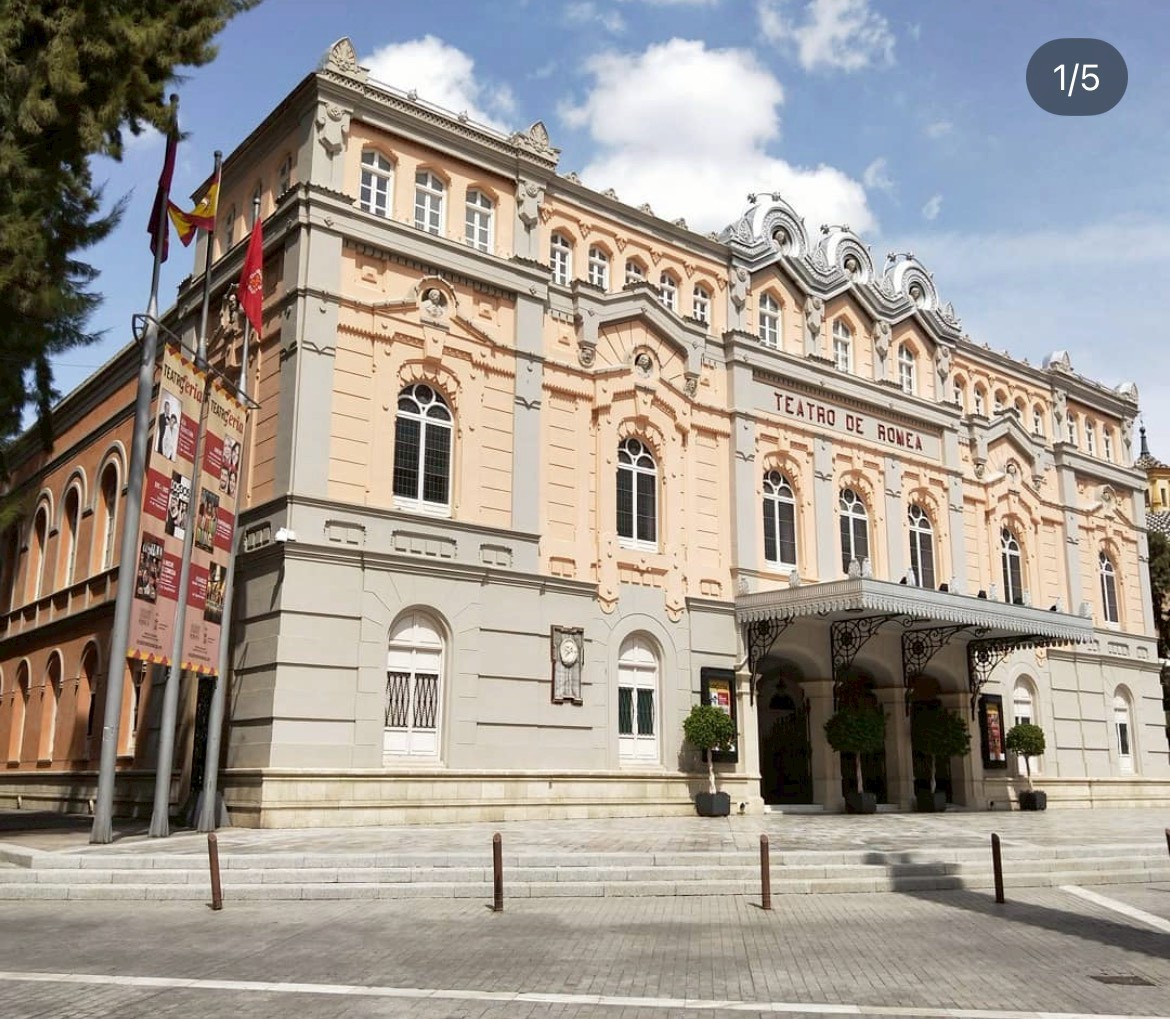
曾獲得 Erasmus+ 獎學金 赴西班牙 Murcia 大學 深造,專研「西班牙文語用學 (Pragmática)」與「語言規範與使用 (Norma y uso)」。這段學術經歷,讓我能從語言學視角精準拆解中西語言差異,為學生提供更具邏輯的教學方案。

發音部位的秘密: 深入研究西班牙語人士學習中文的發音規律。我能針對口腔發音部位的差異,精準引導學生克服聲調難關,並運用「西文人士學中文的五大發音優勢」,讓學生事半功倍。

語序邏輯對標:

時間順序: 中文講求「先做先說」(例:我去日本旅行)。

空間結構: 中文慣用「從大到小」(例:地址書寫格式)。 透過邏輯對比,我能幫助成人學習者快速建立「中文腦」。

從註冊風波學會適應: 曾為了搶大學註冊名額,連續幾天早上八點到校排隊,體驗像「搶演唱會門票」般的行政流程。這與台灣高效的處理方式截然不同,但也讓我學會理解不同社會的運作節奏。

機場過夜與 Bla Bla Car: 為了探索西班牙,我曾睡在 Alicante 機場等首班機,也曾在公車停駛時運用共乘軟體尋找回家的路。

教學反饋:為什麼我更懂外籍學生?
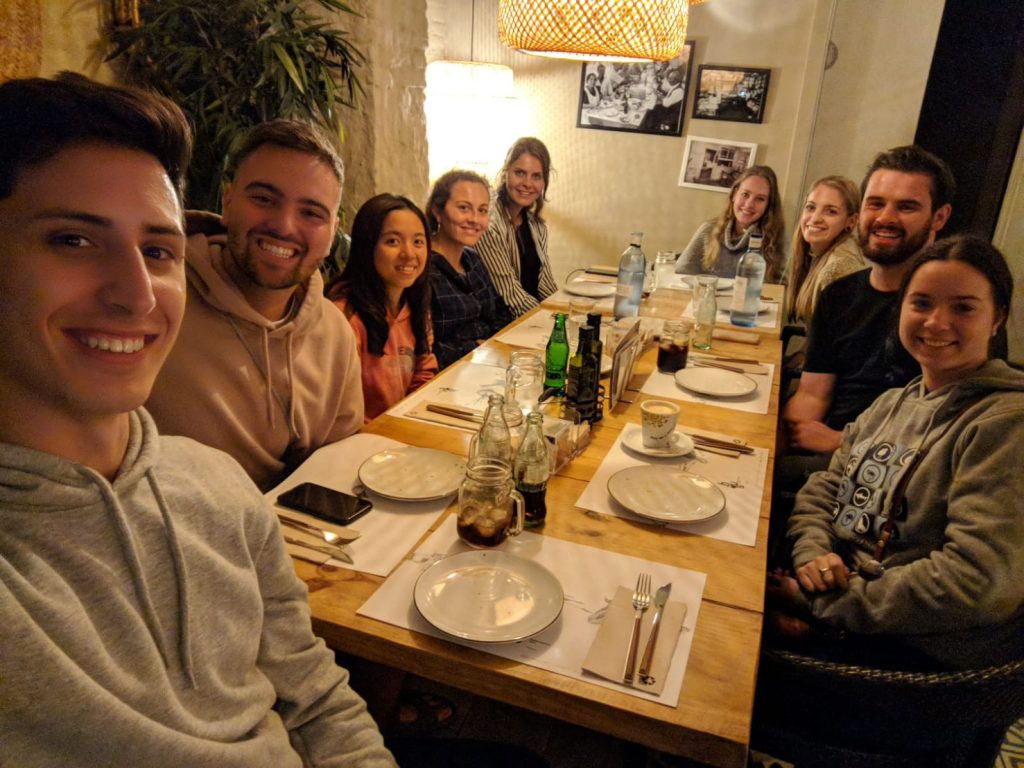
這段旅居歐洲的經驗,讓我具備了強大的跨文化適應力(Cultural Intelligence)。在華語教學中,我不只傳授單字,更能同理外籍學生在異國生活的不安與文化衝擊。

我教的不是死板的語言,而是帶領你用中文與世界接軌。

Whitney Mandarin Studio
課程預約及服務條款

為保障雙方權益,在您(以下簡稱「學員」)進行課程預約及付款前,請務必詳閱以下服務條款。當您完成預約或付款程序時,即視為您已閱讀、瞭解並同意遵守本條款之所有內容。

一、 法源依據與解除權之排除

本課程服務屬於「非以有形媒介提供之數位內容或一經提供即為完成之線上服務」,且本課程內容係依學員需求進行「客製化給付」。依據《消費者保護法》第 19 條第 1 項但書及《通訊交易解除權合理例外情事適用準則》第 2 條第 2 款及第 5 款規定,本服務排除七日猶豫期(鑑賞期)之適用。學員同意於課程預約成立後,除本條款另有約定外,不得主張無條件退費。

二、 授課時間與出缺席規範

本課程採預約制,為維護教學品質及雙方時間權益,應共同遵守以下規範:

1. 學員遲到與缺席責任(受領遲延):
  • 彈性等候時間:課程設有 20 分鐘之連線緩衝時間。課程表定開始時間起算 20 分鐘內,學員皆可上線進行課程,惟課程結束時間將依原定時間結束,不予順延。
  • 視為缺席:若學員於課程開始後逾 20 分鐘仍未上線,即構成民法上之受領遲延。視同學員無故缺席,該堂課程視為已履行教學義務,本工作室不予補課,亦不退還該堂費用。
  • 遲到不補時:若學員遲到(未逾 20 分鐘),授課教師將依原定時間進行教學至表定結束時間止,遲到之時間視為學員自願放棄,不提供補時、補課或依比例退費。
2. 講師遲到與補救措施(給付遲延):
  • 若授課教師於課程開始後逾 10 分鐘仍未上線,即構成給付遲延。
  • 針對該次遲延,本工作室將提供補課機會,學員得請求重新選擇上課時間,以保障受教權益。

三、 請假與補課規範

1. 一般請假(24小時前):

學員如欲更改上課時間或請假,至遲應於該堂課程表定開始時間 24 小時前通知本工作室。於期限內完成通知程序者,得保留該堂課程權益並另行安排補課。

2. 臨時請假或未通知(24小時內):

若未於前述期限(課前 24 小時)內通知、或於課前 24 小時內臨時請假者,因授課教師之時段已保留且無法另行安排,視同該堂課程已正式使用。學員不得請求補課、延期或退還該堂費用。

四、 預約限制與課程內容授權

1. 不受理臨時預約:

為確保教學品質及行政作業流程,本課程不接受臨時插課或當日預約。所有課程均須依規定程序提前完成預約。

2. 智慧財產權與錄影規範:
  • 本課程內容均為針對學員需求之「客製化設計」,其教材、講義及教學過程之智慧財產權歸屬於本工作室或授課教師所有。
  • 本課程不提供錄影檔案。
  • 依據《著作權法》及《民法》相關規定,未經本工作室書面同意,學員嚴禁於課程中進行錄音、錄影、截圖或重製,亦不得將課程內容公開傳輸或散布予第三人。違者將依法追究相關民、刑事責任。

Whitney Mandarin Studio
Booking & Service Terms

To protect the rights of both parties, please ensure you (hereinafter referred to as the "Student") carefully read the following service terms before booking and paying for a course. Completing the booking or payment process implies that you have read, understood, and agreed to abide by all the contents of these terms.

1. Legal Basis & Exclusion of Right of Rescission

This course service is considered "digital content not supplied on a tangible medium or an online service completed upon provision," and the course content is a "customized provision" based on the Student's needs. According to relevant consumer protection regulations, this service is excluded from the standard 7-day cooling-off period. The Student agrees that, unless otherwise stipulated in these terms, no unconditional refunds may be claimed once the course booking is confirmed.

2. Class Time & Attendance Policy

These courses are by appointment. To maintain teaching quality and respect the time of both parties, the following rules must be observed:

1. Student Tardiness and Absence:
  • Flexible Waiting Time: There is a 20-minute connection buffer for the course. Students may log in within 20 minutes from the scheduled start time, but the class will end at the originally scheduled time and will not be extended.
  • Deemed Absent: If the Student does not log in within 20 minutes of the start time, it constitutes an unexcused absence. The teaching obligation for that class is considered fulfilled; the studio will not provide a makeup class or refund the fee.
  • No Time Extension for Tardiness: If the Student is late (but within 20 minutes), the instructor will teach until the originally scheduled end time. The missed time is considered voluntarily forfeited by the Student, and no time extension, makeup class, or prorated refund will be provided.
2. Instructor Tardiness & Remedial Measures:
  • If the instructor fails to log in within 10 minutes of the course start time, it constitutes a delay in provision.
  • In the event of such a delay, the studio will provide a makeup opportunity, allowing the Student to select a new class time to ensure their educational rights are protected.

3. Leave of Absence & Makeup Class Policy

1. Standard Leave (24 Hours Prior):

If a Student wishes to change the class time or request a leave of absence, they must notify the studio at least 24 hours before the scheduled class start time. Those who complete the notification within this timeframe may retain their class rights and schedule a makeup class.

2. Sudden Leave or No Notice (Within 24 Hours):

If the Student fails to notify within the aforementioned timeframe (24 hours prior) or requests a sudden leave within 24 hours, the class is considered officially used, as the instructor's time has been reserved and cannot be rearranged. The Student may not request a makeup class, extension, or refund for that session.

4. Booking Restrictions & Course Content Authorization

1. No Last-Minute Bookings:

To ensure teaching quality and smooth administrative processes, we do not accept last-minute drop-ins or same-day bookings. All courses must be booked in advance according to standard procedures.

2. Intellectual Property & Recording Policy:
  • The course content is "custom-designed" for the Student's needs. The intellectual property rights of the teaching materials, handouts, and the teaching process belong to the studio or the instructor.
  • No video recordings of the courses will be provided.
  • In accordance with relevant copyright and civil laws, without written consent from the studio, Students are strictly prohibited from audio recording, video recording, screenshotting, or reproducing the course. Distributing or transmitting the course content to third parties is also forbidden. Violators will be held legally responsible.

Whitney Mandarin Studio
Términos y Condiciones de Reserva

Para proteger los derechos de ambas partes, el estudiante (en adelante, "el Estudiante") debe leer detenidamente estos términos antes de reservar y realizar el pago. Al completar el proceso de reserva o pago, se entenderá que ha leído, comprendido y aceptado todas las condiciones aquí establecidas.

1. Base Legal y Exclusión del Derecho de Desistimiento

Este servicio se considera "contenido digital no suministrado en soporte material o un servicio online completado tras su provisión", y el contenido se "personaliza" según las necesidades del Estudiante. De acuerdo con las normativas de protección al consumidor correspondientes, este servicio queda excluido del período de desistimiento estándar de 7 días. El Estudiante acepta que, una vez confirmada la reserva, no podrá exigir un reembolso incondicional, salvo que se estipule lo contrario en estos términos.

2. Horario de Clases y Normas de Asistencia

Estas clases se imparten con cita previa. Para mantener la calidad de la enseñanza y respetar el tiempo de ambas partes, se deben cumplir las siguientes normas:

1. Retrasos y Ausencias del Estudiante:
  • Margen de espera: Existe un margen de cortesía de 20 minutos para conectarse. El Estudiante puede acceder dentro de los primeros 20 minutos desde la hora programada de inicio, pero la clase finalizará a la hora prevista originalmente y no se prolongará.
  • Consideración de ausencia: Si el Estudiante no se conecta transcurridos 20 minutos del inicio, se considerará una ausencia injustificada. Se entenderá que el compromiso de enseñanza para esa sesión se ha cumplido; el estudio no ofrecerá clases de recuperación ni reembolsará el importe.
  • No compensación por retraso: Si el Estudiante llega tarde (dentro de los 20 minutos), el profesor impartirá la clase hasta la hora de finalización programada. El tiempo perdido se considerará renunciado voluntariamente, sin derecho a prolongación, recuperación o reembolso proporcional.
2. Retrasos del Profesor y Medidas Compensatorias:
  • Si el profesor no se conecta transcurridos 10 minutos desde el inicio programado, se considerará un retraso en la prestación del servicio.
  • Ante esta situación, el estudio ofrecerá una oportunidad de recuperación, permitiendo al Estudiante elegir un nuevo horario para garantizar su derecho a la formación.

3. Normas de Cancelación y Recuperación de Clases

1. Cancelación Estándar (24 horas antes):

Si el Estudiante desea modificar el horario o cancelar la clase, deberá notificar al estudio al menos 24 horas antes del inicio programado. Quienes cumplan con este plazo conservarán el derecho a la sesión y podrán reprogramarla.

2. Cancelación de Última Hora o Sin Aviso (menos de 24 horas):

Si no se notifica dentro del plazo mencionado o se cancela con menos de 24 horas de antelación, dado que el tiempo del profesor ha sido reservado y no puede reasignarse, la clase se considerará oficialmente impartida. El Estudiante no podrá solicitar su recuperación, aplazamiento ni reembolso.

4. Restricciones de Reserva y Propiedad Intelectual

1. No se Aceptan Reservas de Última Hora:

Para garantizar la calidad educativa y el buen funcionamiento administrativo, no se aceptan incorporaciones de última hora ni reservas para el mismo día. Todas las clases deben reservarse con antelación siguiendo el procedimiento establecido.

2. Propiedad Intelectual y Normativa sobre Grabaciones:
  • El contenido de estas clases es un "diseño personalizado" adaptado a las necesidades del Estudiante. Los derechos de propiedad intelectual del material, apuntes y proceso de enseñanza pertenecen al estudio o al profesor.
  • No se proporcionarán grabaciones de las clases.
  • De acuerdo con las leyes vigentes, queda estrictamente prohibido que el Estudiante realice grabaciones de audio, vídeo, capturas de pantalla o reproducciones de la clase sin el consentimiento por escrito del estudio. Asimismo, no se permite distribuir ni transmitir el contenido a terceros.