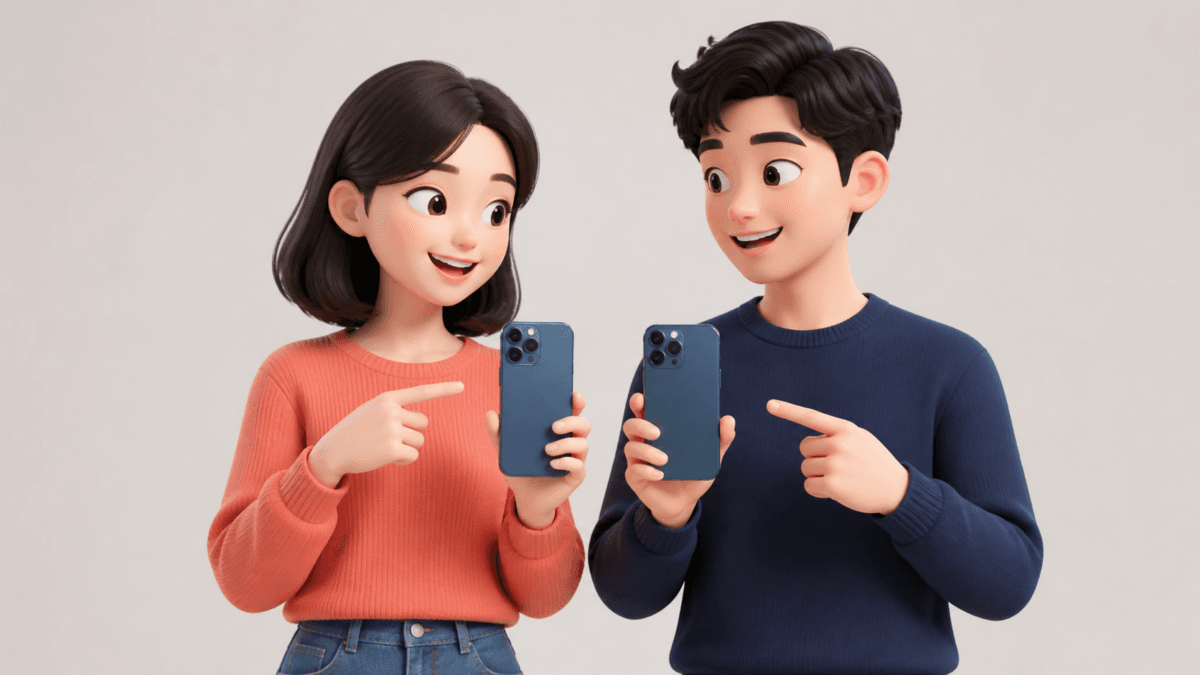
How to Use gēn…yíyàng (跟……一樣): Chinese Comparisons & Practice

HSK 3 / TOCFL A1

How to Use gēn… yíyàng (跟……一樣): Chinese Comparisons and Practice
中文比較句「跟……一樣」:用法、語序、例句與練習
Zhōngwén bǐjiào jù “gēn… yíyàng”: yòngfǎ, yǔxù, lìjù yǔ liànxí

A gēn B yíyàng is a highly useful Chinese comparison pattern. It says that two people, objects, or situations are the same in a particular respect; adding bù expresses a difference. You can compare brands, ages, and interests, as well as how well or quickly someone sings, runs, or drives.
「A 跟 B 一樣」是中文裡非常實用的比較句,用來表示兩個人、物品或情況在某個方面相同;加入「不」就能表達不同。它可以比較品牌、年齡、興趣,也能比較唱歌、跑步或開車等動作的程度。
“A gēn B yíyàng” shì Zhōngwén lǐ fēicháng shíyòng de bǐjiào jù, yòng lái biǎoshì liǎng ge rén, wùpǐn huò qíngkuàng zài mǒu ge fāngmiàn xiāngtóng; jiārù “bù” jiù néng biǎodá bùtóng. Tā kěyǐ bǐjiào pǐnpái, niánlíng, xìngqù, yě néng bǐjiào chànggē, pǎobù huò kāichē děng dòngzuò de chéngdù.
This lesson first separates noun comparisons from comparisons of how an action is performed. Five everyday examples and write-in exercises will help you place gēn correctly and remember when a separable verb must be repeated.
本課會先分清名詞比較與動作程度比較的語序,再用五組生活例句及可輸入答案的練習,幫助你避免「跟」的位置錯誤或忘記重複離合動詞。
Běn kè huì xiān fēnqīng míngcí bǐjiào yǔ dòngzuò chéngdù bǐjiào de yǔxù, zài yòng wǔ zǔ shēnghuó lìjù jí kě shūrù dá’àn de liànxí, bāngzhù nǐ bìmiǎn “gēn” de wèizhì cuòwù huò wàngjì chóngfù líhé dòngcí.

Core patterns and correct word order

① A+跟+B+一樣/不一樣(+Adj.)

Nouns or qualities: A + gēn + B + yíyàng / bù yíyàng (+ adjective). Examples: My phone is the same as yours; the younger brother is as tall as the older brother.
名詞或特徵比較:A+跟+B+一樣/不一樣(+形容詞)。例:我的手機跟你的一樣;弟弟跟哥哥一樣高。
Míngcí huò tèzhēng bǐjiào: A + gēn + B + yíyàng / bù yíyàng (+ xíngróngcí). Lì: Wǒ de shǒujī gēn nǐ de yíyàng; dìdi gēn gēge yíyàng gāo.
② A+V+得+跟+B+一樣+Adj.

Degree of an action: A + verb + de + gēn + B + yíyàng + adjective. Example: He runs as fast as you.
動作程度比較:A+V+得+跟+B+一樣+形容詞。例:他跑得跟你一樣快。
Dòngzuò chéngdù bǐjiào: A + V + de + gēn + B + yíyàng + xíngróngcí. Lì: Tā pǎo de gēn nǐ yíyàng kuài.
③ A+VO+V+得+跟+B+一樣+Adj.

With a separable verb, repeat the verb: A + verb-object + verb + de + gēn + B + yíyàng + adjective. Example: He sings as well as you.
遇到離合動詞時,要重複動詞:A+VO+V+得+跟+B+一樣+形容詞。例:他唱歌唱得跟你一樣好。
Yùdào líhé dòngcí shí, yào chóngfù dòngcí: A + VO + V + de + gēn + B + yíyàng + xíngróngcí. Lì: Tā chànggē chàng de gēn nǐ yíyàng hǎo.
Evaluations such as equally good, beautiful, or important may reflect the speaker’s opinion. However, having the same brand or age can be an objective fact. The pattern itself is not necessarily subjective; it depends on what is being compared.
「一樣好、漂亮、重要」等評價可能帶有說話者的主觀看法;但「品牌一樣、年齡一樣」也可以是客觀事實。因此,這個句型本身不一定主觀,關鍵在比較的內容。
“Yíyàng hǎo, piàoliang, zhòngyào” děng píngjià kěnéng dàiyǒu shuōhuà zhě de zhǔguān kànfǎ; dàn “pǐnpái yíyàng, niánlíng yíyàng” yě kěyǐ shì kèguān shìshí. Yīncǐ, zhège jùxíng běnshēn bù yídìng zhǔguān, guānjiàn zài bǐjiào de nèiróng.

Everyday examples

1

Oh! Your phone is the same brand as mine!
咦?你的手機牌子跟我的一樣!
Yí? Nǐ de shǒujī páizi gēn wǒ de yíyàng!
2

Vietnamese friend: Are the Chinese zodiac animals the same as the Vietnamese ones?
越南朋友:中國的生肖動物跟越南的一樣嗎?
Yuènán péngyǒu: Zhōngguó de shēngxiào dòngwù gēn Yuènán de yíyàng ma?
You: No. The Chinese zodiac has a rabbit, not a cat.
你:不一樣。中國的生肖有兔子,沒有貓。
Nǐ: Bù yíyàng. Zhōngguó de shēngxiào yǒu tùzi, méiyǒu māo.
3

(At an event.)
(在活動上)
(Zài huódòng shàng.)
Friend: I think that guy sings as well as you do!
朋友:我覺得那個男生唱歌唱得跟你一樣好!
Péngyǒu: Wǒ juéde nàge nánshēng chànggē chàng de gēn nǐ yíyàng hǎo!
Me: I don’t sing that well!
我:我沒有唱得那麼好啦!
Wǒ: Wǒ méiyǒu chàng de nàme hǎo la!
4

(Chatting with a neighbor.)
(跟鄰居聊天)
(Gēn línjū liáotiān.)
Mother: My son is five. Is your son the same age as mine?
媽媽:我的兒子今年五歲,你的兒子是不是跟我的兒子一樣大?
Māma: Wǒ de érzi jīnnián wǔ suì, nǐ de érzi shì bú shì gēn wǒ de érzi yíyàng dà?
Neighbor: My son is younger. He is four.
鄰居:我的兒子比較小,他今年四歲。
Línjū: Wǒ de érzi bǐjiào xiǎo, tā jīnnián sì suì.
Mother: I see—your son and mine aren’t the same age.
媽媽:原來你的兒子跟我的兒子不一樣大。
Māma: Yuánlái nǐ de érzi gēn wǒ de érzi bù yíyàng dà.
5

(At home.)
(在家裡)
(Zài jiālǐ.)
Father: Are you wearing the shirt we bought last time today too?
爸爸:你今天也穿上次買的那件衣服嗎?
Bàba: Nǐ jīntiān yě chuān shàng cì mǎi de nà jiàn yīfú ma?
Younger brother: Yes! The clothes I’m wearing today are the same as Dad’s!
弟弟:對呀!我今天穿的衣服跟爸爸的一樣!
Dìdi: Duì ya! Wǒ jīntiān chuān de yīfú gēn bàba de yíyàng!

Interactive practice

These are open-ended questions, so more than one answer may be reasonable. Answer first, then check the model.

1

Does your older brother run as fast as you?
哥哥跑得跟你一樣快嗎?
Gēge pǎo de gēn nǐ yíyàng kuài ma?

Show a model answer
Yes. He runs as fast as I do.
對,他跑得跟我一樣快。
Duì, tā pǎo de gēn wǒ yíyàng kuài.
2

Is your phone the same brand as your mother’s?
你的手機跟媽媽的是一樣的牌子嗎?
Nǐ de shǒujī gēn māma de shì yíyàng de páizi ma?

Show a model answer
No. My mother and I use different phone brands.
不一樣,我跟媽媽用的手機牌子不一樣。
Bù yíyàng, wǒ gēn māma yòng de shǒujī páizi bù yíyàng.
3

Do the older and younger sisters have the same interests?
姊姊跟妹妹的興趣一樣嗎?
Jiějie gēn mèimei de xìngqù yíyàng ma?

Show a model answer
No. The older sister likes movies, while the younger sister likes sports.
不一樣,姊姊喜歡看電影,妹妹喜歡運動。
Bù yíyàng, jiějie xǐhuan kàn diànyǐng, mèimei xǐhuan yùndòng.
4

Does your father drive as fast as you?
爸爸開車開得跟你一樣快嗎?
Bàba kāichē kāi de gēn nǐ yíyàng kuài ma?

Show a model answer
No. Dad drives a little more slowly than I do.
沒有,爸爸開得比我慢一點。
Méiyǒu, bàba kāi de bǐ wǒ màn yìdiǎn.
5

To you, is health as important as earning money?
對你來說,健康跟賺錢一樣重要嗎?
Duì nǐ lái shuō, jiànkāng gēn zhuànqián yíyàng zhòngyào ma?

Show a model answer
They are equally important. Without health, it is hard to work and live well.
一樣重要,沒有健康就很難好好工作和生活。
Yíyàng zhòngyào, méiyǒu jiànkāng jiù hěn nán hǎohāo gōngzuò hé shēnghuó.

Whitney Mandarin Studio
課程預約及服務條款

為保障雙方權益,在您(以下簡稱「學員」)進行課程預約及付款前,請務必詳閱以下服務條款。當您完成預約或付款程序時,即視為您已閱讀、瞭解並同意遵守本條款之所有內容。

一、 法源依據與解除權之排除

本課程服務屬於「非以有形媒介提供之數位內容或一經提供即為完成之線上服務」,且本課程內容係依學員需求進行「客製化給付」。依據《消費者保護法》第 19 條第 1 項但書及《通訊交易解除權合理例外情事適用準則》第 2 條第 2 款及第 5 款規定,本服務排除七日猶豫期(鑑賞期)之適用。學員同意於課程預約成立後,除本條款另有約定外,不得主張無條件退費。

二、 授課時間與出缺席規範

本課程採預約制,為維護教學品質及雙方時間權益,應共同遵守以下規範:

1. 學員遲到與缺席責任(受領遲延):
  • 彈性等候時間:課程設有 20 分鐘之連線緩衝時間。課程表定開始時間起算 20 分鐘內,學員皆可上線進行課程,惟課程結束時間將依原定時間結束,不予順延。
  • 視為缺席:若學員於課程開始後逾 20 分鐘仍未上線,即構成民法上之受領遲延。視同學員無故缺席,該堂課程視為已履行教學義務,本工作室不予補課,亦不退還該堂費用。
  • 遲到不補時:若學員遲到(未逾 20 分鐘),授課教師將依原定時間進行教學至表定結束時間止,遲到之時間視為學員自願放棄,不提供補時、補課或依比例退費。
2. 講師遲到與補救措施(給付遲延):
  • 若授課教師於課程開始後逾 10 分鐘仍未上線,即構成給付遲延。
  • 針對該次遲延,本工作室將提供補課機會,學員得請求重新選擇上課時間,以保障受教權益。

三、 請假與補課規範

1. 一般請假(24小時前):

學員如欲更改上課時間或請假,至遲應於該堂課程表定開始時間 24 小時前通知本工作室。於期限內完成通知程序者,得保留該堂課程權益並另行安排補課。

2. 臨時請假或未通知(24小時內):

若未於前述期限(課前 24 小時)內通知、或於課前 24 小時內臨時請假者,因授課教師之時段已保留且無法另行安排,視同該堂課程已正式使用。學員不得請求補課、延期或退還該堂費用。

四、 預約限制與課程內容授權

1. 不受理臨時預約:

為確保教學品質及行政作業流程,本課程不接受臨時插課或當日預約。所有課程均須依規定程序提前完成預約。

2. 智慧財產權與錄影規範:
  • 本課程內容均為針對學員需求之「客製化設計」,其教材、講義及教學過程之智慧財產權歸屬於本工作室或授課教師所有。
  • 本課程不提供錄影檔案。
  • 依據《著作權法》及《民法》相關規定,未經本工作室書面同意,學員嚴禁於課程中進行錄音、錄影、截圖或重製,亦不得將課程內容公開傳輸或散布予第三人。違者將依法追究相關民、刑事責任。

Whitney Mandarin Studio
Booking & Service Terms

To protect the rights of both parties, please ensure you (hereinafter referred to as the "Student") carefully read the following service terms before booking and paying for a course. Completing the booking or payment process implies that you have read, understood, and agreed to abide by all the contents of these terms.

1. Legal Basis & Exclusion of Right of Rescission

This course service is considered "digital content not supplied on a tangible medium or an online service completed upon provision," and the course content is a "customized provision" based on the Student's needs. According to relevant consumer protection regulations, this service is excluded from the standard 7-day cooling-off period. The Student agrees that, unless otherwise stipulated in these terms, no unconditional refunds may be claimed once the course booking is confirmed.

2. Class Time & Attendance Policy

These courses are by appointment. To maintain teaching quality and respect the time of both parties, the following rules must be observed:

1. Student Tardiness and Absence:
  • Flexible Waiting Time: There is a 20-minute connection buffer for the course. Students may log in within 20 minutes from the scheduled start time, but the class will end at the originally scheduled time and will not be extended.
  • Deemed Absent: If the Student does not log in within 20 minutes of the start time, it constitutes an unexcused absence. The teaching obligation for that class is considered fulfilled; the studio will not provide a makeup class or refund the fee.
  • No Time Extension for Tardiness: If the Student is late (but within 20 minutes), the instructor will teach until the originally scheduled end time. The missed time is considered voluntarily forfeited by the Student, and no time extension, makeup class, or prorated refund will be provided.
2. Instructor Tardiness & Remedial Measures:
  • If the instructor fails to log in within 10 minutes of the course start time, it constitutes a delay in provision.
  • In the event of such a delay, the studio will provide a makeup opportunity, allowing the Student to select a new class time to ensure their educational rights are protected.

3. Leave of Absence & Makeup Class Policy

1. Standard Leave (24 Hours Prior):

If a Student wishes to change the class time or request a leave of absence, they must notify the studio at least 24 hours before the scheduled class start time. Those who complete the notification within this timeframe may retain their class rights and schedule a makeup class.

2. Sudden Leave or No Notice (Within 24 Hours):

If the Student fails to notify within the aforementioned timeframe (24 hours prior) or requests a sudden leave within 24 hours, the class is considered officially used, as the instructor's time has been reserved and cannot be rearranged. The Student may not request a makeup class, extension, or refund for that session.

4. Booking Restrictions & Course Content Authorization

1. No Last-Minute Bookings:

To ensure teaching quality and smooth administrative processes, we do not accept last-minute drop-ins or same-day bookings. All courses must be booked in advance according to standard procedures.

2. Intellectual Property & Recording Policy:
  • The course content is "custom-designed" for the Student's needs. The intellectual property rights of the teaching materials, handouts, and the teaching process belong to the studio or the instructor.
  • No video recordings of the courses will be provided.
  • In accordance with relevant copyright and civil laws, without written consent from the studio, Students are strictly prohibited from audio recording, video recording, screenshotting, or reproducing the course. Distributing or transmitting the course content to third parties is also forbidden. Violators will be held legally responsible.

Whitney Mandarin Studio
Términos y Condiciones de Reserva

Para proteger los derechos de ambas partes, el estudiante (en adelante, "el Estudiante") debe leer detenidamente estos términos antes de reservar y realizar el pago. Al completar el proceso de reserva o pago, se entenderá que ha leído, comprendido y aceptado todas las condiciones aquí establecidas.

1. Base Legal y Exclusión del Derecho de Desistimiento

Este servicio se considera "contenido digital no suministrado en soporte material o un servicio online completado tras su provisión", y el contenido se "personaliza" según las necesidades del Estudiante. De acuerdo con las normativas de protección al consumidor correspondientes, este servicio queda excluido del período de desistimiento estándar de 7 días. El Estudiante acepta que, una vez confirmada la reserva, no podrá exigir un reembolso incondicional, salvo que se estipule lo contrario en estos términos.

2. Horario de Clases y Normas de Asistencia

Estas clases se imparten con cita previa. Para mantener la calidad de la enseñanza y respetar el tiempo de ambas partes, se deben cumplir las siguientes normas:

1. Retrasos y Ausencias del Estudiante:
  • Margen de espera: Existe un margen de cortesía de 20 minutos para conectarse. El Estudiante puede acceder dentro de los primeros 20 minutos desde la hora programada de inicio, pero la clase finalizará a la hora prevista originalmente y no se prolongará.
  • Consideración de ausencia: Si el Estudiante no se conecta transcurridos 20 minutos del inicio, se considerará una ausencia injustificada. Se entenderá que el compromiso de enseñanza para esa sesión se ha cumplido; el estudio no ofrecerá clases de recuperación ni reembolsará el importe.
  • No compensación por retraso: Si el Estudiante llega tarde (dentro de los 20 minutos), el profesor impartirá la clase hasta la hora de finalización programada. El tiempo perdido se considerará renunciado voluntariamente, sin derecho a prolongación, recuperación o reembolso proporcional.
2. Retrasos del Profesor y Medidas Compensatorias:
  • Si el profesor no se conecta transcurridos 10 minutos desde el inicio programado, se considerará un retraso en la prestación del servicio.
  • Ante esta situación, el estudio ofrecerá una oportunidad de recuperación, permitiendo al Estudiante elegir un nuevo horario para garantizar su derecho a la formación.

3. Normas de Cancelación y Recuperación de Clases

1. Cancelación Estándar (24 horas antes):

Si el Estudiante desea modificar el horario o cancelar la clase, deberá notificar al estudio al menos 24 horas antes del inicio programado. Quienes cumplan con este plazo conservarán el derecho a la sesión y podrán reprogramarla.

2. Cancelación de Última Hora o Sin Aviso (menos de 24 horas):

Si no se notifica dentro del plazo mencionado o se cancela con menos de 24 horas de antelación, dado que el tiempo del profesor ha sido reservado y no puede reasignarse, la clase se considerará oficialmente impartida. El Estudiante no podrá solicitar su recuperación, aplazamiento ni reembolso.

4. Restricciones de Reserva y Propiedad Intelectual

1. No se Aceptan Reservas de Última Hora:

Para garantizar la calidad educativa y el buen funcionamiento administrativo, no se aceptan incorporaciones de última hora ni reservas para el mismo día. Todas las clases deben reservarse con antelación siguiendo el procedimiento establecido.

2. Propiedad Intelectual y Normativa sobre Grabaciones:
  • El contenido de estas clases es un "diseño personalizado" adaptado a las necesidades del Estudiante. Los derechos de propiedad intelectual del material, apuntes y proceso de enseñanza pertenecen al estudio o al profesor.
  • No se proporcionarán grabaciones de las clases.
  • De acuerdo con las leyes vigentes, queda estrictamente prohibido que el Estudiante realice grabaciones de audio, vídeo, capturas de pantalla o reproducciones de la clase sin el consentimiento por escrito del estudio. Asimismo, no se permite distribuir ni transmitir el contenido a terceros.